Nature & Conservation
The relationship between outdoor enthusiasts and nature conservation runs deeper than most people realize. Hunters and anglers aren’t simply extracting resources from the wild—they’re active participants in a complex system of ecosystem management, habitat restoration, and species protection. Understanding this connection transforms how we approach our time afield and on the water, shifting our perspective from passive users to engaged stewards.
Every decision made in pursuit of fish and game carries ecological weight. From the gear we choose to the animals we harvest, from the habitats we traverse to the waste we generate, our actions ripple through ecosystems in ways both subtle and profound. This pillar explores the fundamental principles that unite responsible hunting and fishing with genuine conservation, providing you with the knowledge to minimize harm, maximize benefit, and contribute actively to the health of the wild places we cherish.
The Conservation Role of Hunters and Anglers
Modern conservation owes much of its success to the direct involvement of hunting and fishing communities. Through license fees, excise taxes on equipment, and volunteer efforts, these groups fund the vast majority of wildlife management programs across North America and beyond. But the contribution extends far beyond financial support.
Hunters and anglers serve as boots-on-the-ground monitors of ecosystem health. Their intimate familiarity with specific territories, seasonal patterns, and wildlife populations makes them invaluable sources of data for biologists and land managers. When a population shows signs of disease, when invasive species first appear, or when habitat degradation begins, it’s often outdoor enthusiasts who sound the first alarm. This observational network operates year-round, in remote areas where professional monitoring would be prohibitively expensive.
The harvest itself, when properly regulated, functions as a management tool. Selective removal of individuals can prevent overpopulation, reduce disease transmission, and maintain balanced age structures within populations. Understanding this dynamic transforms the ethical framework of harvest from simple extraction to active participation in ecosystem regulation.
Ethical Harvest and Full Utilization
Respect for harvested animals begins long before the trigger pull or hook set, but it truly manifests in what happens afterward. Full utilization honors the life taken by ensuring nothing goes to waste. This principle extends beyond the obvious meat processing to encompass organs, hides, bones, and other materials that possess both practical value and cultural significance.
Field Care and Meat Quality
The window between harvest and proper field dressing determines whether game becomes premium protein or wasted potential. Temperature control, hygiene, and prompt processing prevent bacterial growth and preserve nutritional value. Wild game offers exceptional nutritional density—higher protein content, healthier fat profiles, and freedom from industrial feedlot practices—but only if handled with care from field to freezer.
Beyond the Meat
Traditional practices recognized value in every component of harvested animals. Hides become leather, bones provide material for tools and crafts, sinew serves as cordage, and organs offer nutrient-rich food or pet nutrition. Modern hunters rediscovering these applications reduce waste while developing deeper connections to their harvest. Even antlers, feathers, and fur find purpose in art, education, or donation to cultural programs.
Habitat Management and Stewardship
Healthy wildlife populations cannot exist without healthy habitats, and outdoor enthusiasts increasingly recognize their role in maintaining and improving these critical landscapes. Active stewardship transforms casual recreation into purposeful conservation.
Understanding Ecosystem Assessment
Recognizing habitat quality requires attention to specific indicators. Diverse plant communities, appropriate age structures in forests, clean water sources, and sufficient cover all signal ecosystem health. Learning to read these signs allows you to identify areas needing intervention and those best left undisturbed. Habitat fragmentation poses particular danger, creating isolated pockets where populations cannot exchange genes or access seasonal resources.
Timing and Intervention
Effective habitat work respects natural cycles. Controlled burns occur during specific seasons to avoid nesting periods. Invasive plant removal happens before seed set. Stream bank stabilization takes place during low water. Understanding these windows prevents well-intentioned efforts from causing unintended harm. When hunters and anglers coordinate with land managers, their volunteer labor multiplies conservation budgets, enabling projects that would otherwise remain unfunded.
Addressing Overpopulation
Ungulate populations unchecked by natural predation can devastate vegetation communities, creating cascading effects throughout ecosystems. Excessive browsing eliminates regeneration of certain plant species, reduces habitat quality for ground-nesting birds, and accelerates erosion. Harvest serves as a necessary population control mechanism in these scenarios, with hunters filling the ecological role once played by wolves, cougars, and other apex predators.
Sustainable Practices Afield
Minimizing environmental impact during outdoor pursuits requires conscious decision-making across multiple domains. Each element of your hunting or fishing approach either contributes to or detracts from ecosystem health.
Material Choices and Gear
The shift toward lead-free ammunition and tackle represents one of the most significant conservation advances in recent decades. Lead poisoning kills countless non-target species—from eagles feeding on gut piles to waterfowl ingesting spent shot. Modern alternatives using copper, bismuth, tungsten, or steel perform effectively while eliminating this toxic legacy. Similarly, selecting durable gear over disposable equipment reduces resource consumption and waste generation over time.
Low-Impact Camping and Field Presence
Your physical presence leaves marks on the landscape. Thoughtful campsite selection—using established sites rather than creating new ones, avoiding fragile vegetation, staying away from water sources to allow wildlife access—minimizes disturbance. Proper waste management extends beyond human waste to include food scraps, packaging, and camp residue. Everything you carry in should either be consumed, properly disposed of far from camp, or packed out entirely.
Travel Efficiency
Route planning that minimizes vehicle miles reduces both fuel consumption and carbon footprint. Carpooling to access points, combining trips, and selecting closer destinations when appropriate all contribute. Once on location, thoughtful navigation prevents vegetation damage and erosion, particularly in alpine or desert environments where recovery happens slowly.
Protecting Fish Populations for the Future
Sustainable angling balances the immediate reward of harvest with long-term stock viability. This requires understanding reproductive biology, population dynamics, and the cumulative impact of fishing pressure across entire watersheds.
Selective Harvest Strategies
Not all fish contribute equally to population health. In many species, removing smaller individuals while releasing trophy-sized fish protects the most fecund breeders—large females often produce exponentially more eggs than younger fish. Conversely, some waters benefit from harvesting larger predators to prevent stunted populations. Understanding which strategy applies to specific fisheries requires research and consultation with local biologists.
Spawning Protection
Recognizing spawning beds and avoiding disturbance during reproduction protects entire year classes. Spawning fish exhibit heightened vulnerability, and concentrated fishing pressure during these periods can devastate populations. Many waters implement seasonal closures or restricted zones around breeding areas. Even where regulations don’t mandate avoidance, ethical anglers voluntarily give spawning fish space.
Handling Stress Reduction
Every moment a fish spends out of water, every scale removed by dry hands, every temperature differential between water and air—these factors compound to determine post-release survival. Best practices include:
- Keeping fish in water during hook removal whenever possible
- Using wet hands or rubberized nets to minimize protective slime removal
- Avoiding fishing during temperature extremes when stress becomes lethal
- Having proper recovery tools including forceps, dehookers, and pliers ready before casting
- Supporting exhausted fish in current until they swim away under their own power
Active Restoration of Aquatic Ecosystems
Conservation focused solely on minimizing harm falls short of true stewardship. Active restoration goes beyond limiting damage to actually improving conditions for future generations of fish and anglers.
Pollution Prevention and Reporting
Anglers frequently encounter pollution before others notice. Unusual fish die-offs, chemical sheens on water, suspicious discharge pipes, or sudden vegetation changes warrant documentation and reporting to environmental authorities. This vigilance creates an early warning system protecting water quality. On a personal level, scrupulous boat cleaning protocols prevent the spread of invasive species between watersheds—a threat that has devastated fisheries across multiple continents.
Stream Bank Preservation and Habitat Building
Erosion control, native plantings along riparian corridors, and installation of habitat structures like rock formations or submerged wood all enhance fish populations. Many angling organizations coordinate volunteer days for these projects, multiplying the impact of professional management. Even small efforts—retrieving monofilament line that can entangle wildlife, participating in tagging programs, contributing water quality data—aggregate into meaningful conservation outcomes.
Advocacy and Funding
Supporting conservation-focused organizations, participating in public comment periods for management decisions, and funding habitat projects through donations or fundraising extend your impact beyond personal fishing time. These contributions create political will and financial resources for systemic improvements.
Understanding Ecosystem Dynamics and Harvest
Predator-prey relationships, carrying capacity, invasive species impacts, and population structure all influence how harvest affects ecosystems. Developing this ecological literacy transforms you from casual participant to informed steward.
Population Balance and Management
Stunted populations—where fish become overly abundant but growth rates decline due to resource competition—require different management than threatened populations. In some cases, aggressive harvest of certain size classes actually improves overall fishery health by reducing competition. Conversely, waters with recovering populations may need catch-and-release only periods to rebuild numbers. Understanding which scenario applies prevents good intentions from producing poor outcomes.
Invasive Species Considerations
Non-native species often warrant unlimited harvest. Removing invasive fish protects native populations from competition and predation. However, this requires positive species identification—misidentifying a native for an invasive can cause conservation harm. Similarly, understanding when to protect top predators versus when to harvest them depends on specific ecosystem contexts and management goals.
Stocking and Natural Reproduction
Put-and-take stocked fisheries function differently from naturally reproducing populations. Knowing whether fish in your waters were hatchery-raised or wild-spawned informs appropriate harvest decisions. Hatchery fish may be intended for harvest, while wild fish often warrant more conservative approaches. Timing also matters—fertilization and early development represent critical periods when disturbance should be minimized.
Wilderness Ethics and Leave No Trace Principles
True wilderness experiences—hunting and fishing in areas without trails, established campsites, or regular human presence—demand heightened ethical awareness. The privilege of accessing pristine environments carries responsibility for preserving their character.
Navigation without trails requires route selection that minimizes vegetation damage and erosion. Campsite selection in unmarked areas means choosing durable surfaces, dispersing use to prevent site establishment, and leaving no evidence of your presence. Noise discipline respects both wildlife and the rare solitude that other wilderness users seek. Human waste management in areas without facilities demands proper catholes, appropriate distances from water sources, and packing out toilet paper in many ecosystems.
Historical and archaeological artifacts found in remote areas represent irreplaceable cultural resources. Photographing but never disturbing these materials preserves them for scientific study and cultural continuity. Your role as a temporary visitor means leaving these wild places unchanged by your passage, maintaining their integrity for wildlife, future visitors, and their own inherent value.
Embracing these conservation principles transforms outdoor pursuits from simple recreation into meaningful stewardship. Whether you’re field dressing your first deer, releasing a wild trout, or volunteering on a habitat project, each action contributes to the broader mission of preserving healthy ecosystems. The knowledge you develop and practices you adopt ripple outward—through shared experiences, mentored newcomers, and demonstrated ethics—creating a conservation culture that ensures future generations inherit the same wild abundance we enjoy today.

Solitude vs. Safety: Navigating the Psychological Terrain of the Wilderness Hunt
Success in a solo wilderness hunt hinges less on gear and more on mastering your internal landscape. Every practical choice, from camp setup to waste management, is a profound ethical decision that shapes your psychological resilience. True preparedness involves ‘cognitive…
Read more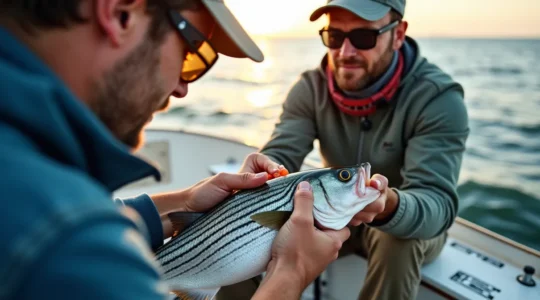
From Angler to Scientist: How Your Catch Data Actively Restores Fish Populations
In summary: Your fishing trips are a goldmine of data that wildlife agencies desperately need for conservation. By adopting simple, precise data collection methods, you can elevate your hobby into a direct contribution to science. This guide provides practical, step-by-step…
Read more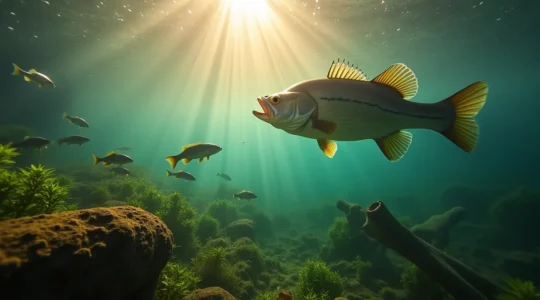
Why Removing Small Predators Can Actually Produce Bigger Trophies?
The counterintuitive truth of trophy management is that actively removing smaller predators is often the most critical factor in growing larger fish. Overabundant small predators, like stunted bluegill, create an “ecological bottleneck” that consumes the food base without becoming viable…
Read more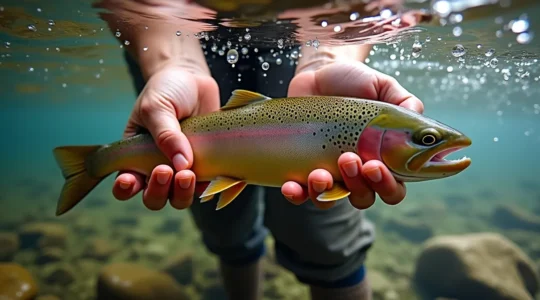
How to Revive a Deeply Exhausted Trout in Fast Current?
The sinking feeling of watching a released trout struggle or go belly-up downstream is a deep concern for any ethical angler. The solution isn’t a magic revival technique, but a holistic approach that minimizes physiological stress at every stage. This…
Read more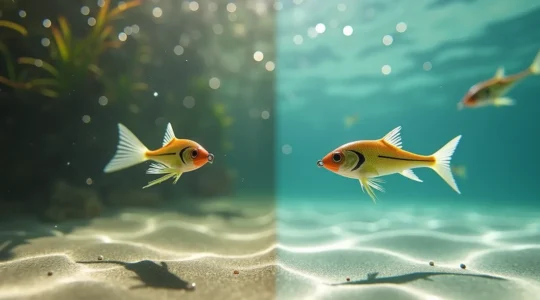
Soft Plastics vs. Bioplastics: How Long Does Your Lure Last Underwater?
The “biodegradable” label on a fishing lure is often misleading; the real environmental impact is determined by its specific polymer chemistry and how it behaves inside a fish’s digestive system. Standard PVC soft plastics are indigestible, causing fatal gastric obstructions,…
Read more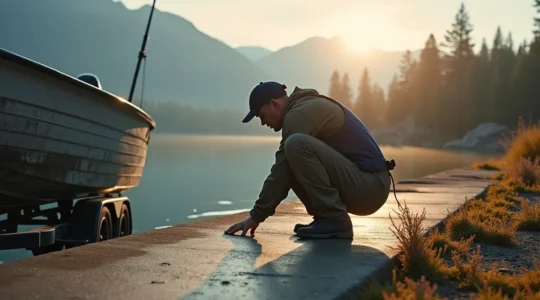
How Anglers Can Stop the Spread of Invasive Aquatic Plants?
Stopping the spread of invasive species requires anglers to evolve from passive users to active ecosystem guardians. Simple prevention like “Clean, Drain, Dry” is the baseline, but its true power is unlocked when combined with vigilant observation and data reporting….
Read more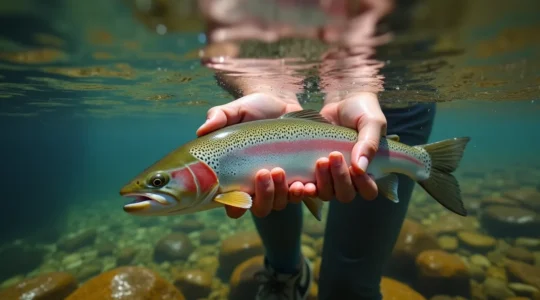
Barbless Hooks: Do They Really Reduce Mortality Rates in Released Fish?
True angling conservation goes far beyond simply using barbless hooks. It requires understanding the critical science behind our actions—from the physiological stress of air exposure to the genetic importance of large fish. This guide moves past the common advice to…
Read more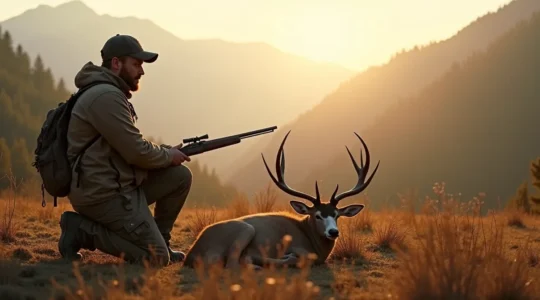
How to Make Your Hunting Trips Carbon Neutral and Low Impact?
Achieving a carbon-neutral hunt is less about giving things up and more about making strategic, informed choices in your gear, travel, and on-the-ground practices. Copper ammunition eliminates a primary source of ecosystem toxicity. Gear longevity and recycled materials drastically cut…
Read more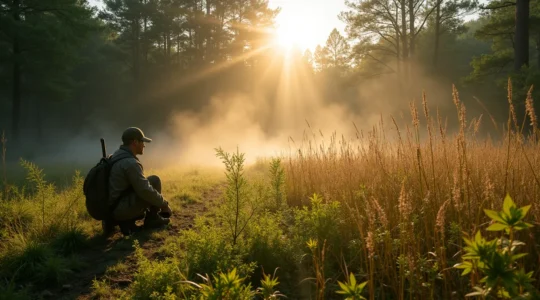
How Invasive Species Removal by Hunters Restores Native Biomes
Hunters are more than just participants in an ecosystem; they are critical ecological engineers in the fight against invasive species and habitat degradation. Targeted removal of invasive species creates physical space and resources for native plants and wildlife to recover….
Read more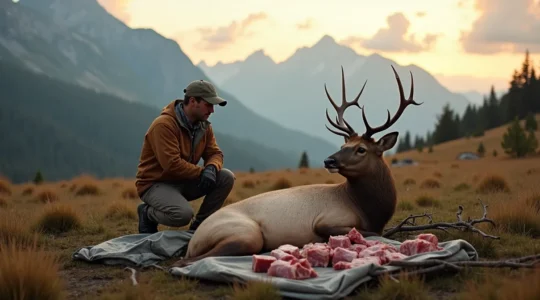
How to Process an Entire Animal in the Field Without Spoilage?
The ultimate respect for a harvested animal is not just a quick, clean kill, but a masterful field-to-freezer process that utilizes every possible part and preserves the meat’s biochemical integrity. Success hinges on immediate and intelligent cooling, especially in temperatures…
Read more