Blog
The world of hunting and fishing exists at a fascinating crossroads. On one side, these pursuits carry millennia of human tradition—skills passed down through generations, connecting us directly to our food sources and the natural world. On the other, they must constantly evolve to meet contemporary ethical standards, technological innovations, and shifting social expectations. Whether you’re drawn to the quiet solitude of a deer stand, the technical challenge of pursuing trophy fish, or simply want to understand these activities beyond stereotypes, this landscape offers far more depth than many realize.
This resource explores the core pillars that define responsible field sports today. We’ll examine the non-negotiable ethics that separate hunting from mere killing, the gear philosophy that prioritizes function over marketing hype, the cultural conversations reshaping who participates and why, and the specialized world of competitive angling. Each topic connects to a larger question: how do we practice these traditions with both competence and conscience in the modern era?
The Foundation of Ethical Field Practice
Ethics in hunting and fishing aren’t optional niceties—they’re the framework that legitimizes these activities in a world increasingly concerned with animal welfare and environmental stewardship. The distinction between a hunter and someone who simply kills animals lies entirely in the adherence to principles that minimize suffering, waste nothing, and approach the taking of life with appropriate gravity.
Understanding Shot Placement and Clean Kills
The single most important technical skill any hunter can develop is anatomical knowledge for clean, quick kills. This means understanding exactly where vital organs sit in your target species, how that anatomy shifts with different angles and postures, and having the discipline to pass on shots that don’t offer a clear ethical opportunity. A deer’s heart and lungs occupy a specific zone roughly the size of a dinner plate—miss that area, and you’ve created suffering rather than securing food.
Effective shot placement requires more than theoretical knowledge. It demands regular practice with your specific equipment, honest assessment of your maximum effective range, and the patience to wait for the right presentation. Many experienced hunters estimate that they pass on three to five opportunities for every shot they actually take, precisely because the conditions weren’t optimal for a humane kill.
Tracking and Recovery Responsibilities
Even perfect shots sometimes require tracking. Blood trailing is both art and science—understanding how different hits produce different blood patterns, how terrain affects blood visibility, and when to push immediately versus giving a wounded animal time to bed down. The moral obligation doesn’t end when you release an arrow or pull a trigger; it extends until you’ve recovered the animal or exhausted every reasonable effort.
Modern hunters increasingly employ tracking aids like non-toxic fluorescent sprays that make blood trails visible under UV light, tracking dogs trained specifically for recovery work, and systematic grid search patterns. The investment of time can be substantial—recovery efforts sometimes extend through the night and into the following day—but this commitment separates ethical practitioners from those who shouldn’t be in the field.
Honoring the Animal and Processing Failure
Respect for the animal extends beyond the moment of death into how we handle the carcass, utilize the meat, and even display our activities on social media. Post-mortem practices like careful field dressing to preserve meat quality, avoiding gratuitous “hero photos” that focus on blood and suffering, and using as much of the animal as practically possible reflect our understanding that we’ve taken a life to sustain our own.
Perhaps most importantly, ethical hunters must develop healthy mechanisms for processing failure. Losing a wounded animal, despite best efforts, happens. Taking a shot that seemed right but proved wrong happens. These experiences should fuel improvement—additional practice, better equipment choices, more conservative decision-making—rather than defensiveness or abandonment of the activity altogether. The capacity for honest self-assessment and continuous learning defines growing competence in field sports.
How Field Sports Fit Into Modern Life
Hunting and fishing no longer occupy the cultural position they once held, when rural life predominated and most people maintained direct connections to food production. Today’s practitioners must articulate why these activities remain relevant, how they align with contemporary values like sustainability and local food systems, and who gets to participate in traditions historically dominated by specific demographics.
The Locavore Connection and Food Sovereignty
The locavore movement—emphasizing food sourced from one’s immediate region—has created unexpected common ground between hunters and the broader sustainable food community. Wild game represents the ultimate local, organic, free-range protein source. A single deer can provide over 50 pounds of lean meat with zero pesticide exposure, no industrial farming footprint, and complete knowledge of the animal’s life and death.
This alignment extends beyond individual meals to questions of food sovereignty and resilience. Hunters develop skills that make them less dependent on industrial supply chains, more connected to seasonal rhythms and regional ecology, and more invested in habitat conservation that ensures future populations. These aren’t abstract benefits—they represent tangible competencies that many find increasingly valuable as awareness grows around conventional food production’s environmental and ethical costs.
Digital Tools Reshaping Traditional Skills
The evolution of digital scouting technologies has transformed pre-season preparation. Satellite imagery, topographic mapping applications, trail camera networks transmitting real-time photos, and ballistic calculators that account for temperature, altitude, and bullet characteristics now supplement traditional woodsmanship. The debate continues about whether these tools enhance effectiveness or undermine the skills that defined previous generations of hunters.
The most balanced perspective recognizes that technology changes methods but doesn’t eliminate the need for core competencies. GPS won’t help you read sign or judge wind direction. Mapping apps won’t tell you how animals use terrain at different times of day. Digital tools work best when they augment, rather than replace, developed field skills and intimate knowledge of specific locations gained through repeated boots-on-the-ground experience.
Evolving Demographics and Social Perception
Perhaps no shift matters more for the future of field sports than changing participation patterns. Women now represent the fastest-growing demographic segment among new hunters, bringing fresh perspectives to traditions that often carried exclusionary cultures. This diversification strengthens the community by expanding the range of voices, experiences, and approaches represented.
Social media has become a double-edged sword for hunting and fishing visibility. Platforms allow practitioners to share conservation successes, educate about wildlife management, and build community across geographic distances. They also create risks when graphic content reaches unsympathetic audiences, when “influencer” culture prioritizes spectacle over substance, or when participants chase online validation rather than personal connection with nature. Navigating this landscape thoughtfully—sharing the “why” alongside the “what”—helps shape more nuanced public perception.
Building Your Kit Without the Marketing Noise
The outdoor industry excels at convincing newcomers they need extensive, expensive equipment before they can effectively participate. The reality is far simpler: success depends far more on skill development and time in the field than gear acquisition. Understanding the genuine essentials, recognizing marketing manipulation, and maintaining what you have matters more than chasing the latest innovations.
Essential Versus Non-Essential Equipment
True essential gear for most hunting situations fits in a surprisingly compact list: a reliable weapon you’ve practiced with extensively, appropriate ammunition or tackle, basic navigation tools, weatherproof clothing in layers, a knife, cordage, and first aid supplies. Everything beyond this core supports comfort, convenience, or specific situational needs rather than basic functionality.
The challenge lies in resisting “feature creep”—the tendency to add gear for unlikely scenarios or marginal improvements. That specialized camo pattern won’t matter if your scent control is poor. The latest rangefinder technology won’t compensate for inadequate shooting practice. Before purchasing any item, experienced outdoorspeople ask: What specific problem does this solve that I’m actually encountering? If the answer is vague or hypothetical, the item probably isn’t essential.
Gear Maintenance and Longevity
Equipment that receives proper off-season maintenance often outlasts its warranty period by decades. This requires systematic attention: cleaning and oiling firearms, replacing fishing line that’s been stressed through a season, waterproofing boots, checking pack stitching and zippers, and storing everything in controlled conditions that prevent rust, mildew, and UV degradation.
Understanding common failure points for your specific gear allows preventive intervention. Reel drags that feel gritty need cleaning and fresh grease. Bow strings showing fraying require replacement before catastrophic failure. Boot soles separating from uppers can often be re-glued if caught early. These small investments of time and minimal expense prevent both equipment failure at critical moments and the unnecessary waste of replacing items that needed simple maintenance.
The Competitive Side of Fishing
While hunting remains largely non-competitive (outside of specific contexts like field trials for dogs), fishing has developed a robust tournament culture. This competitive dimension attracts personalities drawn to measurable achievement, technical optimization, and the pursuit of personal bests or official records. It represents a distinct subculture within broader angling communities.
Tournament Fishing and Record Pursuit
Competitive fishing demands a different mindset than casual angling. Success requires systematic record-keeping—logging conditions, locations, techniques, and results to identify patterns over time. Tournament anglers often maintain detailed journals tracking water temperature, barometric pressure, moon phase, and seasonal timing against their catch rates, building a personal database that informs future decisions.
The International Game Fish Association (IGFA) maintains official world records across species, weight classes, and line categories. Pursuing these records involves strict compliance with equipment specifications, witness requirements, and measurement protocols. Even anglers never approaching world-record territory benefit from understanding these standards, as they represent best practices for ethical catch documentation and species identification.
Species Specialization and Guided Learning
Many competitive anglers eventually specialize in particular species—becoming experts in muskie behavior, learning the subtleties of permit fishing, or mastering techniques for specific gamefish. This specialization allows depth of knowledge impossible when spreading effort across diverse targets. Understanding one species’ seasonal patterns, preferred habitat features, and feeding behaviors at a granular level produces more consistent success than surface knowledge across many species.
Hiring experienced guides, particularly when pursuing unfamiliar species or fishing new waters, accelerates the learning curve dramatically. A quality guide provides not just equipment and location access, but compressed education—years of trial and error distilled into a day’s focused instruction. For anglers serious about developing specific skills, strategic guide investments often prove more valuable than equivalent spending on additional tackle.
The landscape of modern hunting and fishing encompasses far more than the acts of pursuing game or catching fish. It requires wrestling with ethical obligations, navigating cultural changes, making smart equipment decisions, and sometimes pushing personal limits through competitive challenge. Whether your interest lies in filling your freezer with local protein, spending quiet hours observing wildlife, or chasing tournament victories, the depth available in these pursuits rewards those willing to engage thoughtfully. The articles throughout this blog explore each of these dimensions in detail, offering the specific knowledge you need to develop genuine competence in whichever aspects resonate with your interests and values.
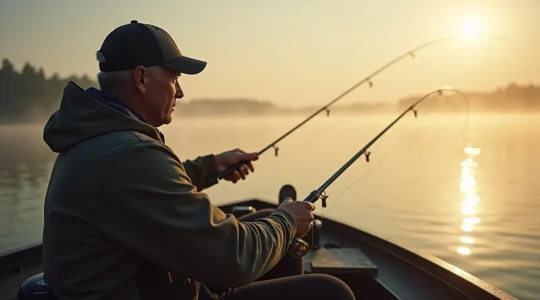
Tournament Fishing: How the Pros Conquer Mental Stress When the Bite Dies
Conquering tournament stress isn’t about having more mental toughness; it’s about deploying proven, pre-built mental systems when the pressure hits. Objective data from a detailed logbook builds unshakable, evidence-based confidence that emotion cannot erode. Specific, physical “tactical resets” are essential…
Read more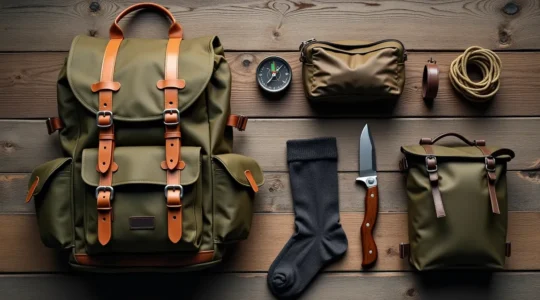
How to Build a Minimalist Hunting Kit for Under $1000?
Building a capable hunting kit for under $1000 isn’t about buying cheap gear; it’s about investing in a durable system where skill replaces expensive gadgets. Focus spending on critical failure points like quality zippers and boot construction, not brand names….
Read more
Why Modern Hunting Is Attracting a New Demographic of Urban Dwellers?
Contrary to the belief that hunting is a fading rural tradition, it is experiencing a renaissance among urbanites as a radical act of food sovereignty. This shift is not about sport but about rejecting the abstract, industrialized food system for…
Read more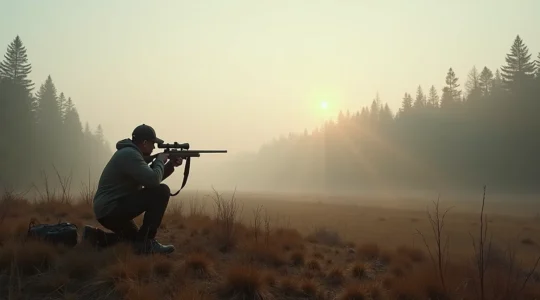
The Ethical Hunter’s Pact: How to Ensure a Quick Kill and Minimize Animal Suffering
The common belief that a perfect “behind the shoulder” shot is the sole measure of an ethical hunter is a profound and dangerous oversimplification. True hunting ethics are defined by a continuous cycle of situational judgment, respectful recovery, and a…
Read more