Adventures & Destinations
The modern hunting adventure extends far beyond the traditional pursuit of game. Whether you’re planning your first multi-day expedition or contemplating a challenging hunt in unfamiliar terrain, understanding the intersection of conservation ethics, environmental challenges, and practical preparation separates memorable experiences from dangerous misadventures. Today’s conscientious hunters recognize that successful expeditions demand respect for ecosystems, mastery of survival skills, and thorough logistical planning.
This comprehensive resource explores the fundamental pillars that support responsible and rewarding hunting adventures worldwide. From choosing destinations that align with your experience level to adapting your tactics for radically different climates, each element contributes to both your safety and the broader conservation mission that justifies our presence in wild spaces.
Why Conservation Ethics Define Modern Hunting Adventures
The evolution of hunting from subsistence activity to conservation tool represents one of the most significant shifts in outdoor recreation. Responsible hunters today function as active ecosystem managers, not merely consumers of wildlife resources.
Hunters as Population Monitors
Your observations in the field provide invaluable data that wildlife agencies use to make informed management decisions. When you document herd compositions, note abnormal behaviors, or report disease signs, you’re contributing to population monitoring systems that scientists rely upon. Many regions now use hunter-submitted harvest data and field observations to track migration patterns, reproduction rates, and habitat health indicators that would be impossible to gather through formal research alone.
Territory Mapping for Conservation
Understanding and documenting territories serves dual purposes: improving your hunting success while contributing to conservation efforts. When you map wildlife corridors, water sources, and seasonal habitat use, you’re creating knowledge that helps identify critical areas requiring protection. This practice proves especially valuable in regions where formal wildlife surveys are infrequent or underfunded.
Distinguishing Exploration from Exploitation
Ethical exploration means entering wild spaces with minimal impact and maximum respect. This distinction becomes crucial when accessing sensitive ecosystems like alpine meadows during breeding seasons or wetlands that serve as crucial stopover points for migratory species. Ask yourself: Does my presence here during this timeframe serve conservation goals, or does it prioritize my convenience over ecosystem health? Sometimes the most ethical choice is postponing a hunt until conditions better support both wildlife and hunting objectives.
Surviving When Weather Turns Hostile
Weather-related emergencies account for a significant portion of wilderness rescues. The ability to recognize, prepare for, and respond to dangerous weather separates experienced outdoorsmen from those who rely on luck.
Reading Weather Fronts in the Field
Cloud formations, wind shifts, temperature changes, and animal behavior all telegraph approaching weather systems. A sudden increase in barometric pressure often precedes clearing skies, while falling pressure typically indicates deteriorating conditions. Learn to recognize lenticular clouds in mountain regions, which signal strong winds aloft that will eventually reach ground level. Birds flying lower than usual and seeking shelter often indicate storms within 6-12 hours.
Emergency Shelter Construction
When you cannot reach your camp or vehicle before conditions deteriorate, rapid shelter construction becomes survival priority. A properly built debris hut or snow cave can maintain an internal temperature 20-30 degrees warmer than outside air, even without a fire. Practice these skills in controlled conditions before you need them in crisis situations:
- Locate your shelter away from drainage areas, avalanche zones, and dead standing trees
- Build insulation between your body and the ground using pine boughs, leaves, or spare clothing
- Make your shelter only large enough for your body to minimize the space requiring warming
- Create a ventilation hole to prevent carbon dioxide accumulation if you use any heat source
Recognizing and Responding to Hypothermia
Hypothermia kills through subtle progression. The “umbles“—stumbles, mumbles, fumbles, and grumbles—signal dangerous core temperature drops. Shivering stops at advanced stages not because the victim is warming, but because their body can no longer generate heat. If you or a companion exhibits confusion, slurred speech, or loss of coordination, immediate intervention is critical. Replace wet clothing, provide insulation, consume warm liquids if the victim can swallow safely, and seek emergency help.
Selecting and Maintaining Your Most Critical Gear
While hunters debate optics quality and rifle calibers endlessly, footwear receives surprisingly little attention despite being the single piece of equipment that most directly impacts your mobility, comfort, and safety during extended expeditions.
Understanding Membrane Technology and Insulation Ratings
Modern boot membranes promise waterproofing while allowing moisture vapor to escape, but these systems function only within specific temperature ranges and activity levels. Breathable membranes work poorly in very cold conditions when your body produces minimal perspiration, and they become overwhelmed during high-exertion activities like steep climbs. Understanding these limitations helps you select appropriate footwear for specific conditions rather than expecting one boot to perform universally.
Proper Lacing Techniques and Field Maintenance
Different lacing patterns address specific foot issues. Heel slippage responds to “lace-locking” at the ankle, while pressure across the instep can be relieved by skipping eyelets in that zone. In the field, drying boots correctly preserves their integrity—never place them directly against heat sources, which degrades adhesives and stiffens leather. Instead, remove insoles, stuff boots with dry absorbent material changed every few hours, and position them where air circulates freely.
Breaking In New Footwear Properly
Start wearing new boots at least four to six weeks before your expedition during activities that mimic hunting conditions. Gradually increase distance and load weight while wearing the sock systems you’ll use in the field. Hot spots that develop during break-in periods identify areas requiring moleskin or alternative lacing before they become expedition-ending blisters. Quality boots require time to conform to your specific foot shape and gait pattern.
Planning Remote Multi-Day Expeditions
The logistics of remote hunting trips involve interconnected elements where failure in one area can cascade through your entire expedition. Thorough planning addresses each component systematically.
Insurance, Documentation, and Legal Requirements
Travel insurance for hunting expeditions differs significantly from standard policies. Verify that your coverage includes emergency evacuation from remote areas, weapon loss or confiscation, and trip cancellation for reasons specific to hunting like tag draw failures or unexpected area closures. Weapon transport laws vary dramatically between jurisdictions—research requirements months in advance, as some countries demand extensive documentation processed through multiple agencies.
Physical Conditioning and Mental Preparation
Remote expeditions expose fitness deficiencies that seem minor at home. Train with a loaded pack on terrain similar to your destination, gradually building to carrying weights exceeding what you’ll actually transport. Mental endurance proves equally important—spending consecutive days in challenging conditions, managing discomfort, and maintaining focus during extended periods without success requires psychological preparation that many hunters neglect. Consider practicing multi-day trips locally before committing to expensive remote adventures.
Meat Transport and Guide Evaluation
Success on remote hunts creates immediate logistical challenges. Research meat transport options before departure: Will you pack it out personally, use stock animals, or arrange for helicopter retrieval? Each method demands specific preparation and affects your gear choices. When engaging guides, verify their credentials through multiple independent sources, request references from recent clients with similar experience levels, and clarify exactly what services your fee includes. Reputable guides provide detailed written agreements covering accommodations, equipment provisions, and contingency plans.
Choosing Destinations That Match Your Experience and Goals
Destination selection involves balancing species preference, budget constraints, physical demands, and realistic success expectations. Misalignment in any area can transform dream hunts into frustrating experiences.
Analyzing Costs Beyond the Price Tag
African safaris exemplify how advertised prices represent only partial costs. Daily rates typically exclude trophy fees, taxidermy, tips, international flights, visa expenses, and weapon permits. A hunt advertised at a seemingly reasonable rate can double or triple in actual cost once you account for these elements. Create comprehensive budgets that include pre-trip expenses like specialized gear, vaccinations, and practice ammunition for unfamiliar rifles you’ll use on location.
Understanding Draw Odds and Season Timing
Preference point systems reward patience but require strategic planning across multiple years. Research historical draw odds for your desired species and units, but recognize that past performance doesn’t guarantee future results—habitat changes, population fluctuations, and regulatory adjustments continuously alter odds. Season timing globally varies based on weather patterns, breeding cycles, and local regulations. Shoulder seasons often provide better value and fewer crowds while still offering excellent opportunities if you’re flexible about trophy quality.
Discovering Underrated Locations
Heavily marketed destinations often deliver crowds and diminished experiences despite premium prices. Lesser-known locations frequently offer superior hunting quality at lower costs. Research areas experiencing recent population increases, newly opened access to previously restricted lands, or regions investing in habitat improvement projects. Local hunters and biologists can identify emerging opportunities that haven’t yet saturated with out-of-area demand.
Adapting to Radically Different Environments
Each major ecosystem demands tactical and equipment adaptations. Skills that prove effective in one environment may become liabilities in another, making environmental literacy essential for hunters pursuing diverse species.
Desert and Arid Land Strategies
Desert spotting requires understanding how heat shimmer affects visibility at different times of day. Early morning and late evening provide the clearest viewing windows, while midday heat distortion makes accurate animal identification and distance estimation nearly impossible. Water sources concentrate game predictably, but approach routes must account for the exceptional visibility these open environments provide to prey species. Sound travels differently in dry air—your noise discipline must increase accordingly.
Mountain Thermal Currents and High-Altitude Considerations
Mountain thermals reverse predictably throughout the day. Cold air sinks overnight and through early morning, creating downslope winds, while warming air rises through afternoon, producing upslope currents. Plan your approach routes and stand locations according to these patterns. High altitude reduces physical capacity—most people experience noticeable performance decline above 8,000 feet and significant impairment above 10,000 feet. Acclimatize gradually if possible, stay hydrated, and moderate exertion levels during initial days.
Swamp Navigation and Wetland Tactics
Wetland navigation challenges even experienced outdoorsmen. Solid-appearing ground can transition to impassable muck within steps. Carry a long staff to probe questionable areas before committing your weight, and understand that the shortest distance between points is rarely navigable in swamp environments. Game trails in wetlands typically follow the most stable routes—use them when directions align with your objectives. Waterproof your essential gear in multiple layers, as wetland hunting guarantees moisture exposure.
Tundra Survival and Dense Forest Tracking
Tundra’s apparent simplicity conceals serious challenges. The featureless landscape makes navigation difficult, weather changes rapidly with minimal warning, and the complete absence of natural shelter materials demands you carry everything needed for emergency situations. Dense forest tracking requires developing “close-range awareness“—reading subtle ground disturbances, broken vegetation, and bark rubs that reveal recent animal passage. In thick timber, your effective detection range may shrink to mere yards, shifting tactics from spot-and-stalk to still-hunting and ambush methods.
Mastering Sub-Zero Conditions: The Arctic Challenge
Scandinavian hunting in winter conditions represents one of the most demanding environments, requiring specialized knowledge of both the quarry and the unforgiving climate.
Species like capercaillie demand understanding of their specific habitat preferences within conifer forests, particularly their reliance on certain tree species for winter feeding. Moose hunting with trained dogs follows traditions refined over centuries, where the dog’s role is locating and holding the animal rather than pursuing it. Reindeer spotting against snow requires training your eyes to detect subtle movements and contrasts that untrained observers miss entirely.
Winter daylight management becomes critical at high latitudes where usable light may last only a few hours. Plan your movements to position yourself in optimal locations during these narrow windows rather than wasting precious light traveling. Arctic clothing layering follows specific principles: base layers must transport moisture away from skin, insulation layers trap air without compression, and outer shells block wind while venting excess heat during exertion. Static and active insulation needs differ dramatically—what keeps you warm glassing from a fixed position will cause dangerous overheating during strenuous movement.
The intersection of challenging species, extreme environments, and sophisticated tactics makes cold-climate hunting a specialist pursuit. Success requires not just tolerating the conditions, but understanding how low temperatures, limited daylight, and deep snow fundamentally change animal behavior and hunter capabilities. Preparation at this level demands moving beyond basic competence toward genuine expertise in multiple interconnected disciplines.
Whether you’re planning your first out-of-state expedition or contemplating an international hunt in unfamiliar terrain, these fundamental principles provide the foundation for safe, ethical, and successful adventures. Each element—from conservation ethics to environmental adaptation—builds upon the others, creating a comprehensive approach that serves both your objectives and the broader mission of responsible wildlife stewardship.
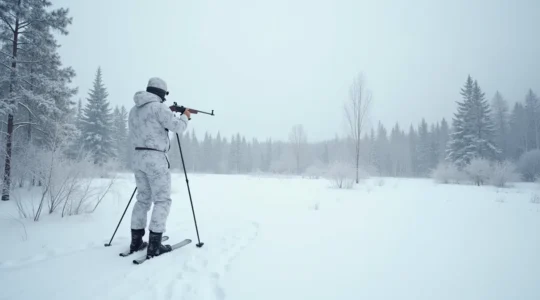
How to Ski and Shoot: Biathlon Skills for Winter Grouse Hunting?
Winter grouse hunting is not a biathlon of speed, but a slow test of metabolic discipline and survival. Success hinges on energy conservation (caloric economy), not just ski speed or shooting prowess. Your clothing system is your primary survival tool;…
Read more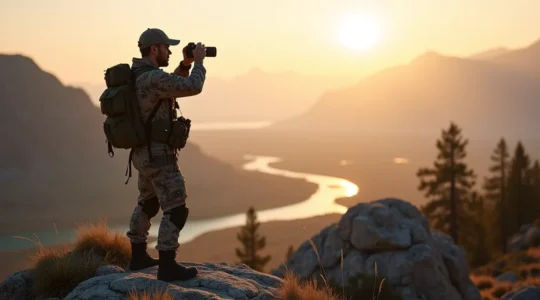
Desert, Mountain, or Swamp: How to Adapt Your Tactics to the Biome?
Success in a new hunting biome isn’t about having the most gear, but about recalibrating your senses to read the environment’s unique language. True concealment goes beyond camouflage; it involves mastering movement, scent, and silhouette. Every environment, from mountains to…
Read more
Public Land or Private Ranch: Which Destination Fits Your Skill Level?
The ‘public vs. private’ debate is flawed; the smartest hunting strategy involves building a balanced portfolio of experiences to match your specific goals. High-volume, lower-cost international hunts, like an African plains game safari, can offer a better return on investment…
Read more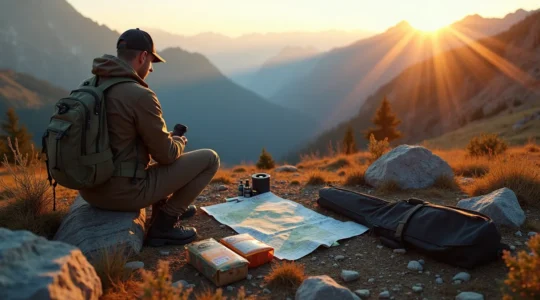
How to Plan a Backcountry Hunt That Avoids Logistical Failure
A successful backcountry hunt is determined by mastering the pre- and post-hunt logistics, not just by your skill in the field. Your insurance strategy must distinguish between medical care and physical evacuation from the point of injury; they are not…
Read more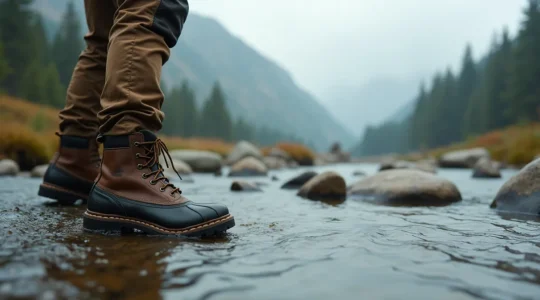
The Pedorthist’s Guide: How to Choose Hunting Boots That Prevent Blisters
In summary: Treat your feet as a system: Your boots, socks, and feet must work together to manage moisture and friction. Waterproof is not enough; breathability and active moisture management are what truly keep feet dry and healthy. Insulation choice…
Read more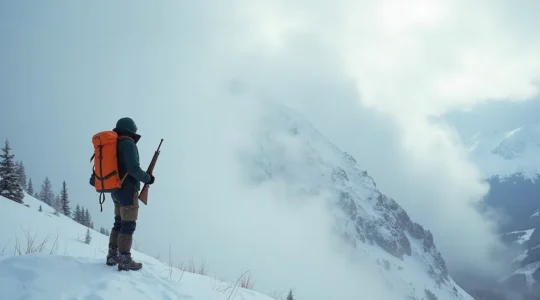
How to Survive an Unexpected Blizzard While Miles from the Truck?
In summary: Survival is not a checklist; it’s a series of decisions made before a situation becomes catastrophic. Your first priority is recognizing the “decision threshold”—the moment you must abandon the hunt and shift to survival mode. Staying dry is…
Read more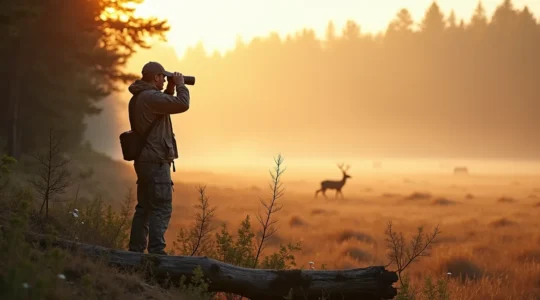
How Hunting Transforms from Pursuit to Stewardship in Modern Conservation?
Modern hunting’s greatest contribution to conservation isn’t just funding, but its transformation into a hands-on, data-driven form of ecological stewardship. Hunters act as “citizen scientists,” providing critical field data that wildlife agencies use to monitor herd health and manage ecosystems….
Read more